Top 6 AI study trip
destinations for 2027.
Where should your group go to understand what AI changes in business? Start with the decision you need to make, then choose the place that helps you examine it.
Planning a broader innovation program? Explore our executive innovation study tours ↗
See the application.
Question the business case.
A useful AI immersion goes beyond product demonstrations. It asks how organizations change workflows, develop skills, manage risk and decide whether the results justify the investment.
For MBA, EMBA and executive groups, these six routes offer different starting points for that conversation. KNOHAO designs the agenda around your cohort, with preparation and reflection connecting each encounter to the curriculum.
Choose your starting point.
| Destination | Suggested learning focus |
|---|---|
| 01 · China | Applied AI, robotics and digital business |
| 02 · Singapore | AI leadership, governance and regional strategy |
| 03 · Munich | Industrial AI, robotics and manufacturing |
| 04 · London & Cambridge | AI research, responsible innovation and strategic judgment |
| 05 · New York & Boston | AI commercialization, enterprise adoption and capital |
| 06 · Japan | Robotics, human–machine interaction and industrial innovation |
China
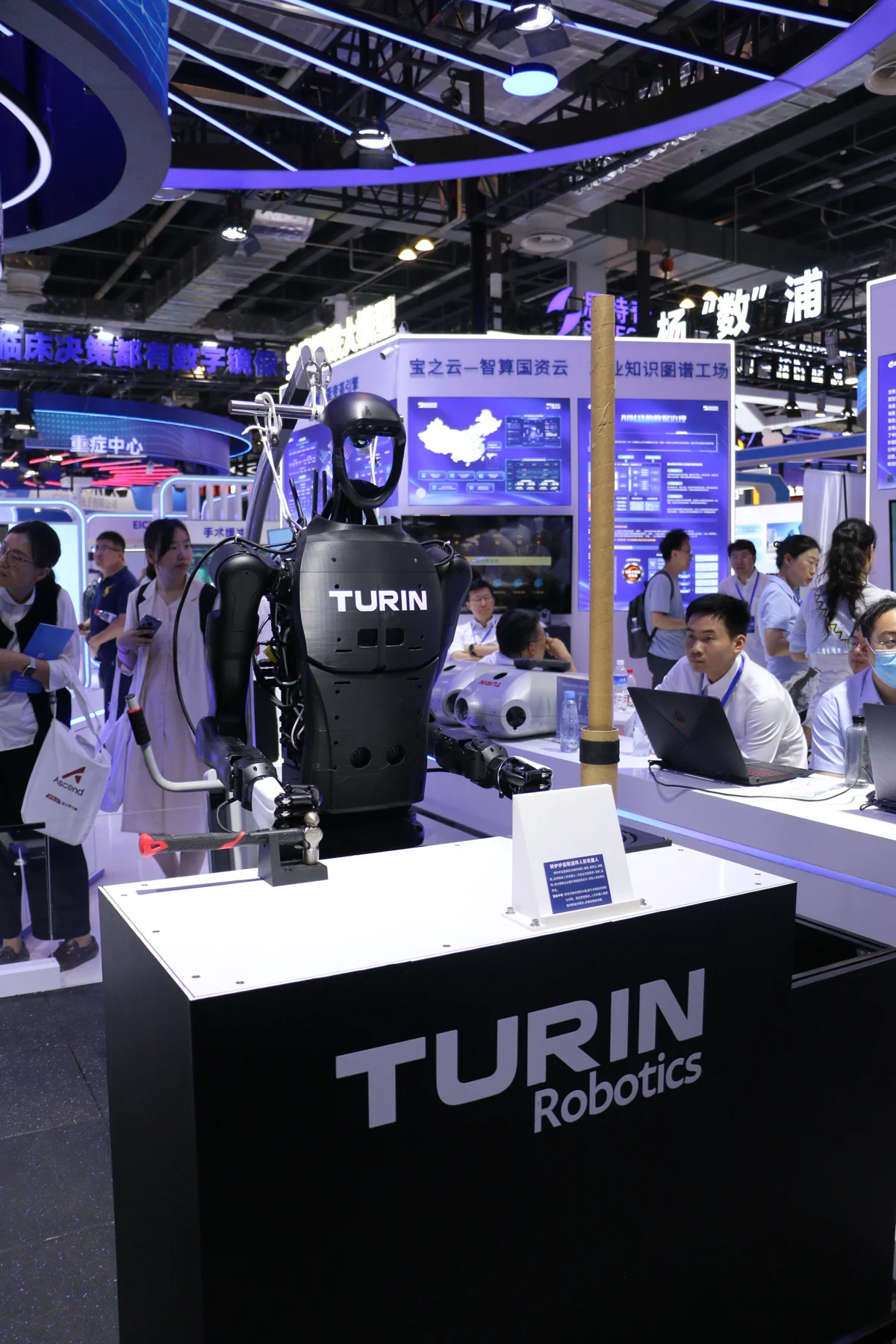
Xuthoria · cropped · CC BY-SA 4.0 · Resized for display
What changes when AI meets industrial scale?
Build a route around the connection between technology, production and customers. Shanghai, Hangzhou, Shenzhen and Beijing offer different lenses; choose the cities that serve the brief rather than trying to cover them all.
A proposed learning agenda
Compare an industrial automation use case with a digital platform or consumer business. Examine the workflow, data requirements, economics and customer behavior behind each example.
Who it suits
MBA, EMBA and executive teams exploring business model change and operational transformation.
Explore our China programsSingapore
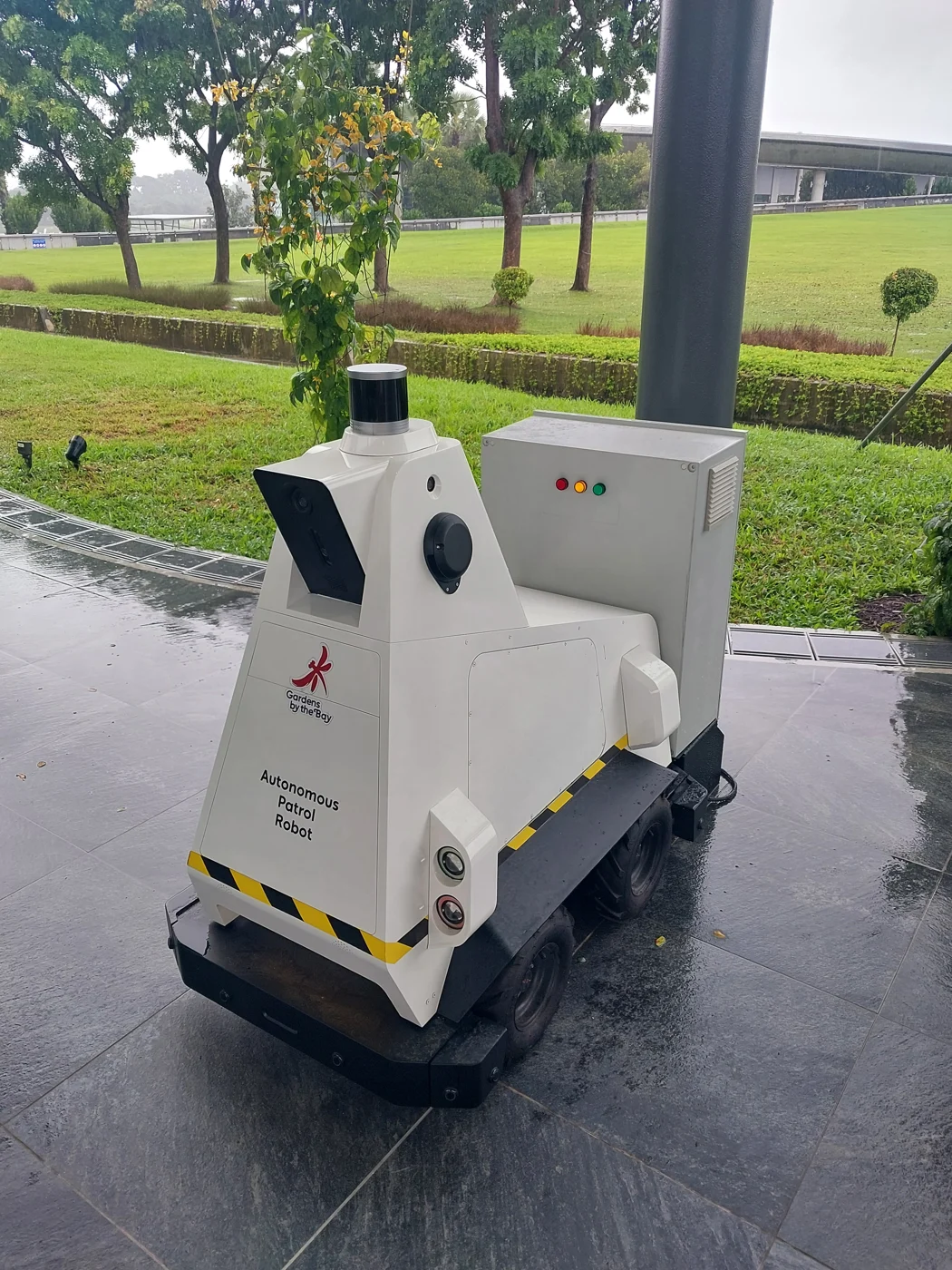
Felix Běhavý · CC BY 4.0 · Resized for display
How do you turn AI ambition into organizational capability?
Use Singapore to structure a conversation about the management side of AI: leadership, implementation, risk and coordination across functions. NUS’s published executive education portfolio provides one public example of the emphasis on AI for business leaders.
A proposed learning agenda
Combine an adoption case discussion with an expert session on governance. Ask who owns the decision, how performance is measured and when a human must intervene.
Who it suits
Senior leaders, banking cohorts and cross-functional teams moving from experimentation to implementation.
Explore our Singapore programsMunich
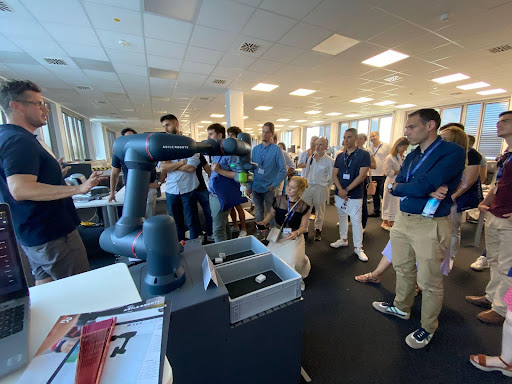
CaixaBank DayOne
When does an intelligent machine improve the whole operation?
Choose Munich for a program centered on physical systems and industrial decisions. The Technical University of Munich’s MIRMI brings robotics and AI together, providing a useful research reference for the learning agenda.
A proposed learning agenda
Explore automation alongside process design, workforce skills, integration and maintenance. Ask how a promising demonstration becomes a reliable production capability.
Who it suits
Manufacturing executives, operations teams and business school cohorts studying industrial transformation.
Explore our Munich programsLondon & Cambridge
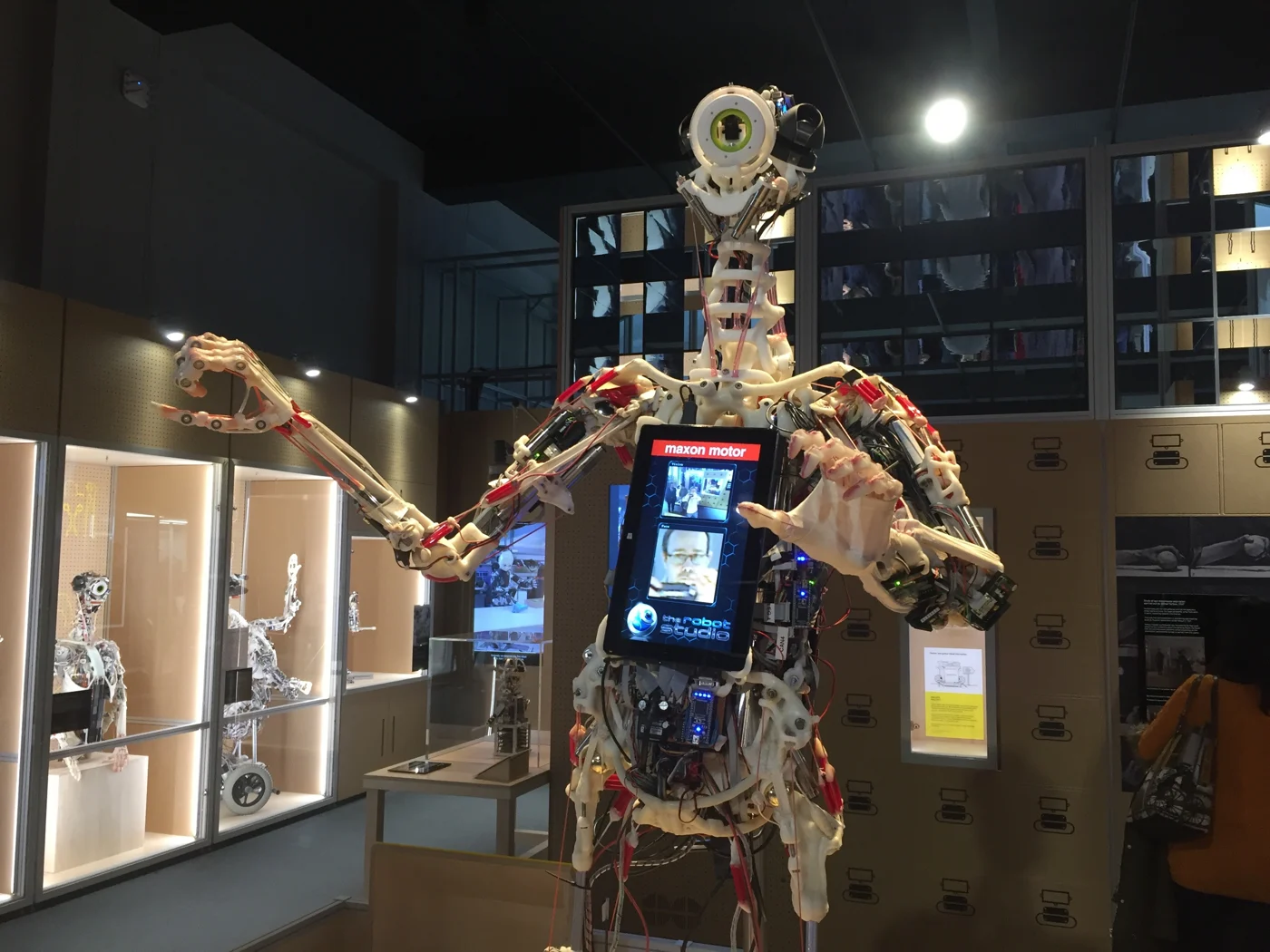
Matt Brown · CC BY 2.0 · Resized for display
How do leaders make decisions while the technology keeps changing?
A two-city program can connect the commercial questions of AI with research and responsible innovation. Cambridge’s published AI work spans scientific applications, ethics and collaboration with industry.
A proposed learning agenda
Give each city a separate role: commercial adoption and governance discussions in London, research and translation questions in Cambridge. Protect time to compare the perspectives.
Who it suits
EMBA cohorts, strategy teams and executives evaluating AI investments.
Explore our London & Cambridge programsNew York & Boston
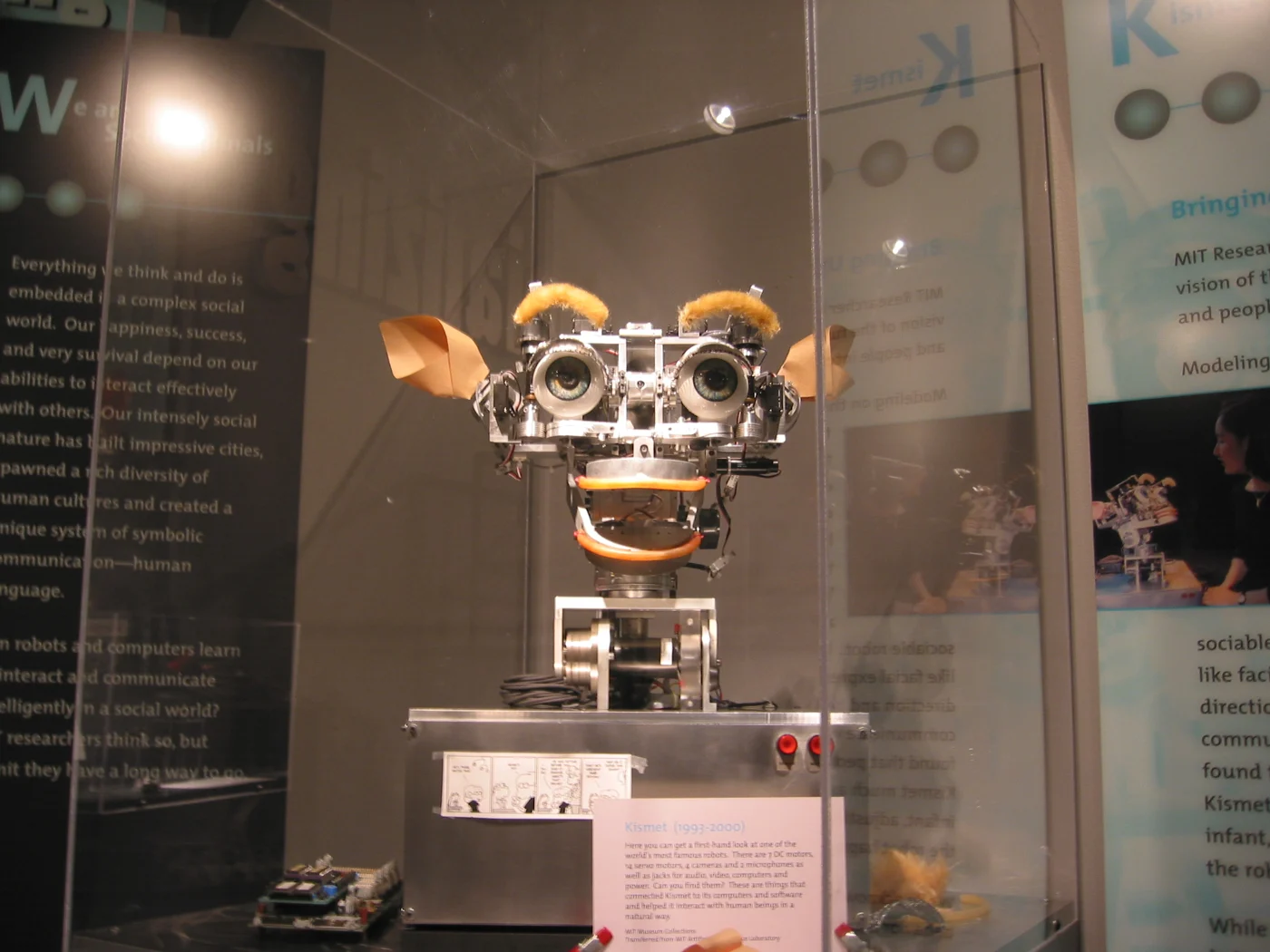
Polimerek · CC BY-SA 3.0 · Resized for display
What turns an AI capability into a business customers will pay for?
Frame this route around the journey from invention to commercial use. The two-city format is a planning option for groups that want to compare research-led innovation with enterprise decisions and investment logic.
A proposed learning agenda
Compare a startup business model with an established organization’s adoption challenge. Discuss distribution, differentiation, data access and the cost of serving customers.
Who it suits
MBA groups, innovation leaders and executive teams working on growth and commercialization.
Explore our New York & Boston programsJapan
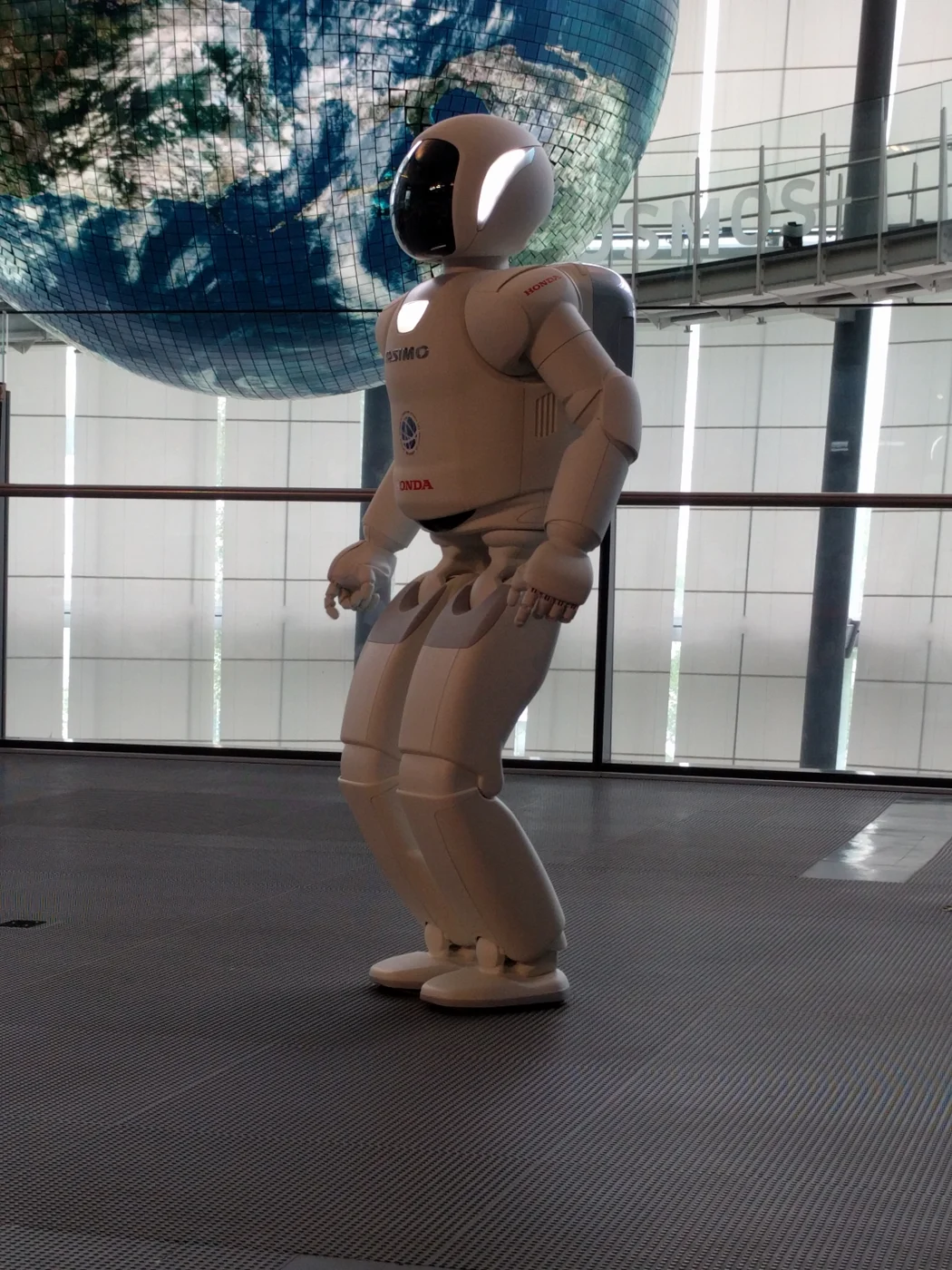
Sintakso · CC BY-SA 4.0 · Resized for display
How do robots become useful partners in work and everyday life?
Japan offers a distinctive lens on industrial robotics and the relationship between people and machines. The International Federation of Robotics identifies Japan as a major robot manufacturing country. Build the program around practical adoption rather than technology demonstrations alone.
A proposed learning agenda
Use Tokyo as a starting point for discussions of service robotics and human–machine interaction. Consider an additional industrial location only when a confirmed visit supports the cohort’s questions about manufacturing, quality and automation.
Who it suits
MBA and EMBA cohorts, manufacturing leaders and innovation teams exploring robotics and operational change.
Discuss a Japan AI and robotics programA sample five-day learning structure.
This is an illustrative format, adapted to the destination and confirmed host access.
- Day 1: Establish the business context and your cohort’s core questions.
- Day 2: Examine an AI application, including workflow and economics.
- Day 3: Compare an alternative organization, sector or implementation approach.
- Day 4: Work through governance, skills and adoption barriers with experts.
- Day 5: Present an action plan, assumptions and next experiments.
Before you book.
Which destination is best for our group?
China and Munich are useful starting points for applied and industrial AI questions. Singapore can frame leadership and governance; London and Cambridge can connect research with judgment; New York and Boston can frame commercialization; Japan can frame robotics and human–machine interaction. These are planning recommendations. Your learning objectives and confirmed access determine the choice.
Do participants need technical AI knowledge?
A management-focused program can be designed without coding prerequisites. Technical cohorts need a different brief, with the depth and host expertise agreed in advance.
Are company and university visits guaranteed?
Specific hosts and speakers depend on availability, suitability and approval. KNOHAO confirms the program with you during planning.
When should we start planning for 2027?
Start once your cohort, likely dates and learning objectives are clear. Earlier planning gives more room to develop a coherent route and request relevant meetings.
Research references
Public sources informing selected learning themes, reviewed October 20, 2026. These references do not establish future access.
- International Federation of Robotics: Japan’s robotics industry
- UC San Diego Rady: China immersion
- NUS Business School: AI for Senior Executives
- TUM: Munich Institute of Robotics and Machine Intelligence
- University of Cambridge: artificial intelligence research
Still comparing broader themes? Read our 10 study trip destinations guide.
Where should your group explore AI?
Tell us your cohort, dates and learning objectives. We’ll help you choose a destination and shape a focused 2027 program.